Once Upon a Time in the Middle East, an anti-war and food-themed film directed by WEN Muye and starring SHEN Teng, is currently screening to warm reception. Recently, the film’s production team announced its release in Hong Kong, Macao and multiple overseas regions, attracting widespread public attention. ZHANG Junnan, a faculty member from the College of Foreign Studies at Harbin Engineering University (HEU), served as the English subtitle translator for the film, supporting its global distribution.
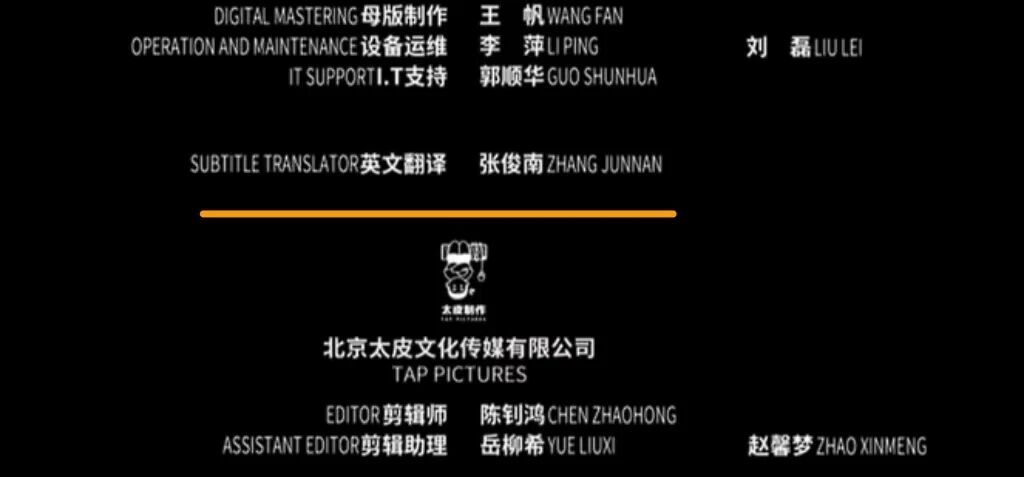
On 2 September, CGTN The Vibe aired an exclusive interview with ZHANG Junnan. In the feature, ZHANG shared his practices and insights on film and television translation for international communication and the overseas dissemination of Chinese stories.
ZHANG Junnan is an associate professor and full-time teacher at the College of Foreign Studies, HEU, and a supervisor for MTI. He won the national championship in the youth category of the 21st Century Cup English Speaking Competition, and has guided students to win more than 60 national and provincial awards in English speaking events. He works on film and television subtitle translation in his spare time.
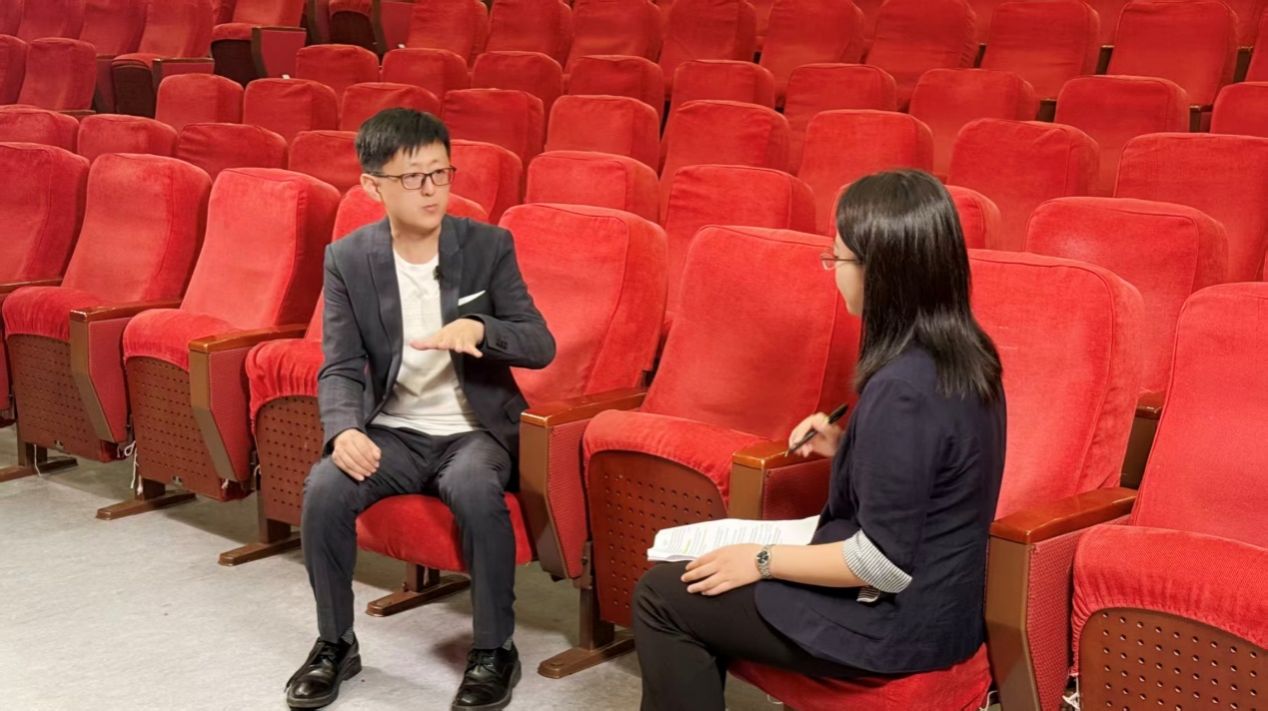
ZHANG shared his insights on subtitle translation with practical cases. In his view, subtitle translation is both an art and a science, requiring both artistic handling of language conversion and data-driven considerations. He independently developed a scientific workflow that automatically calculates the ratio of words per subtitle line to screen duration, as well as the length ratio between source and target text. He adjusts parameters based on on-screen effects, striving to let overseas audiences immerse themselves in the plot, grasp content quickly as subtitles flash by, and devote more attention to the visuals, characters and story rather than the text itself.
When discussing the overseas spread of Chinese films, ZHANG expressed optimistic expectations. He hoped domestic filmmakers would produce more high-quality works capable of “going global”, and believed Chinese films can gradually influence overseas markets in a steady, step-by-step manner.
From the lecture podium to the international screen, from the speaking competition stage to the CGTN camera, ZHANG Junnan uses his professionalism and passion to help Chinese stories cross language barriers. This work demonstrates the professional expertise and cross-cultural vision of HEU faculty in film and television translation, and contributes HEU’s wisdom to the global outreach of domestic cinema. HEU will continue to support teachers in leveraging their professional strengths to help Chinese stories reach the world more authentically.