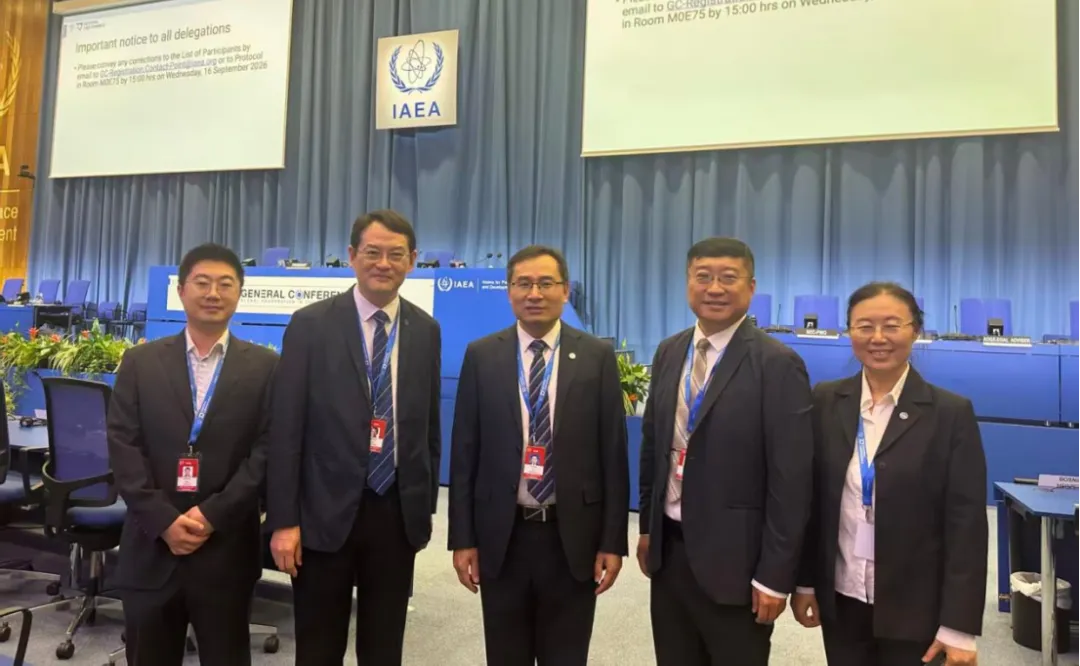
On the local time of September 14, the 70th General Conference of the International Atomic Energy Agency (IAEA) opened in Vienna, Austria. During the conference, under the guidance of the China Atomic Energy Authority (CAEA), Harbin Engineering University (HEU), together with the China Nuclear Industry Education Society, hosted a thematic side‑event for the Atomic Energy Scholarship of China (AES) Programme. YU Zhiwen, Vice President of HEU, led a delegation to attend the opening ceremony of the General Conference and delivered a speech at the thematic side-event.
LI Song, Ambassador of the People’s Republic of China to the United Nations and Other International Organizations in Vienna, LIU Hua, IAEA Deputy Director‑General, HUANG Ping, Secretary‑General of the China Atomic Energy Authority, and LIU Jianping, Chairman of the China Nuclear Industry Education Society, attended the side‑event and delivered remarks. XIAO Lili from the International Department of the China Atomic Energy Authority presided over the opening ceremony of the side-event.
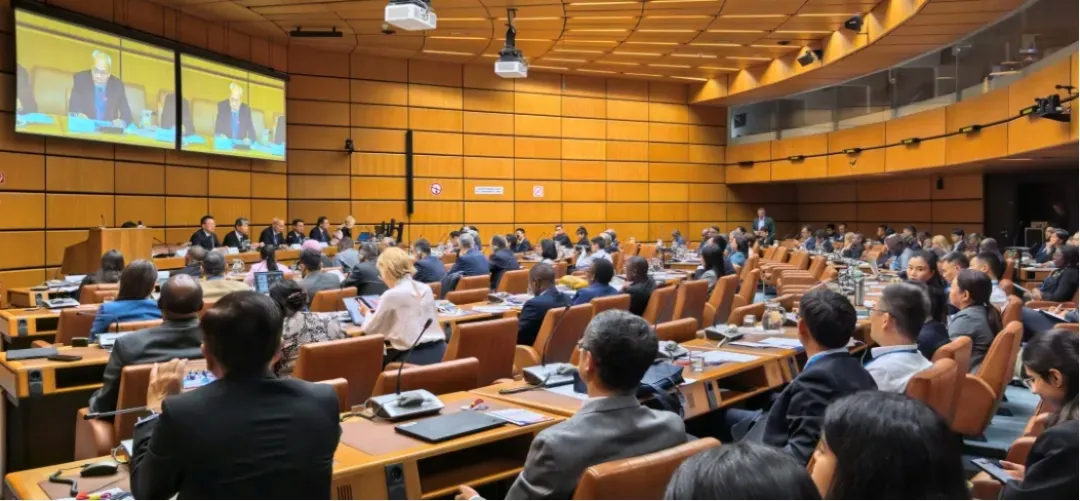
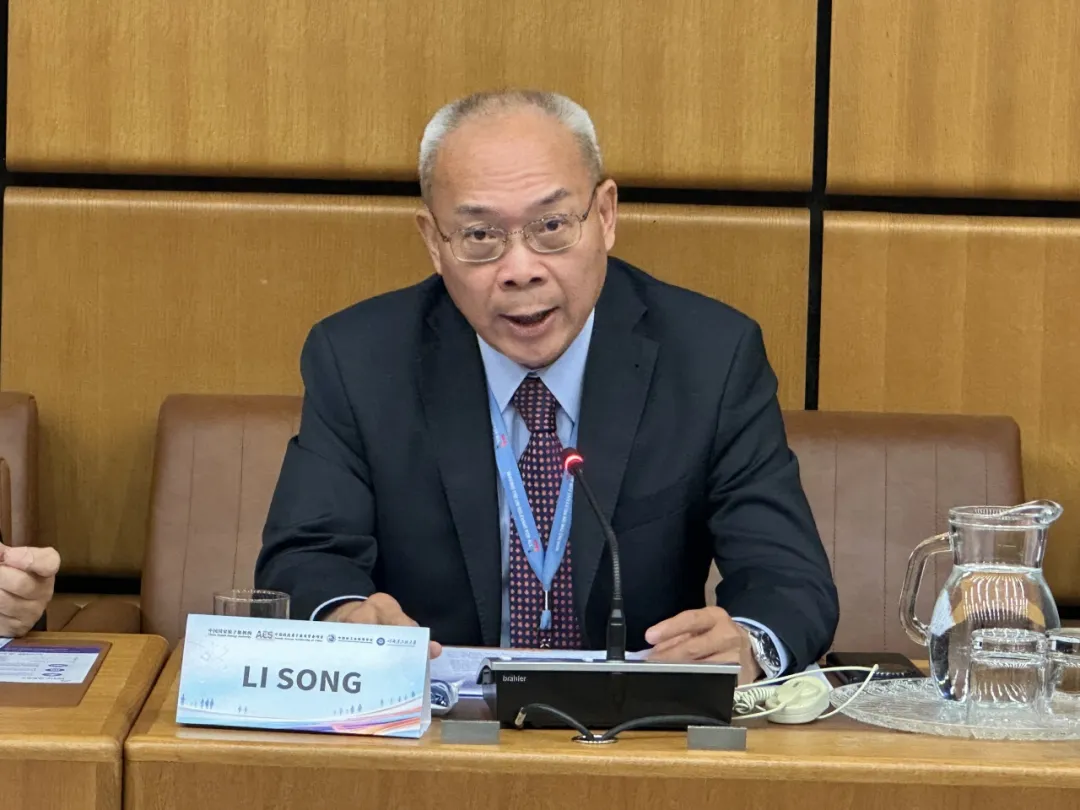
LI Song stated that cultivating local professional talent constitutes the foundation for the sustainable development of nuclear energy in all countries and a core priority for international nuclear-energy cooperation. As a pragmatic platform for deepening international cooperation in the nuclear‑energy sector, the Atomic Energy Scholarship of China Programme fosters young reserve talent for global nuclear‑energy undertakings. China warmly welcomes outstanding young people from more developing countries to pursue further studies in China.
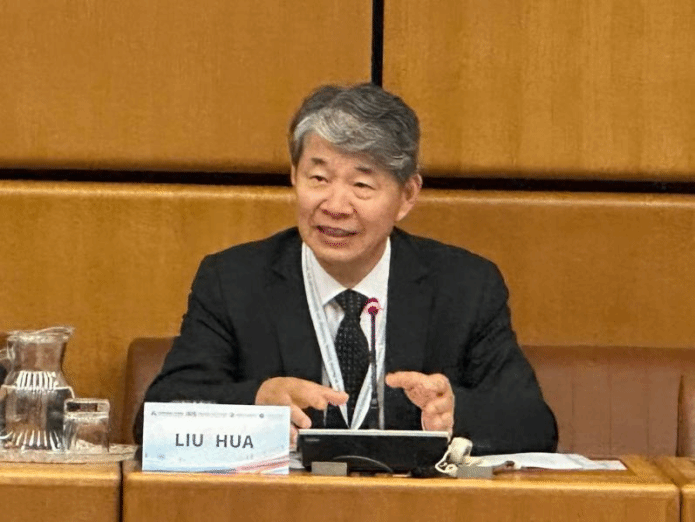
In his address, LIU Hua fully affirmed the educational value and international contributions of the Atomic Energy Scholarship of China Programme, and extended gratitude on behalf of the IAEA to Harbin Engineering University for its solid work in implementing the programme. He noted that the IAEA highly recognizes the significance of the programme and looks forward to building a regular platform for talent cultivation and exchanges based on it to jointly advance the peaceful, safe and sustainable development of global nuclear energy.
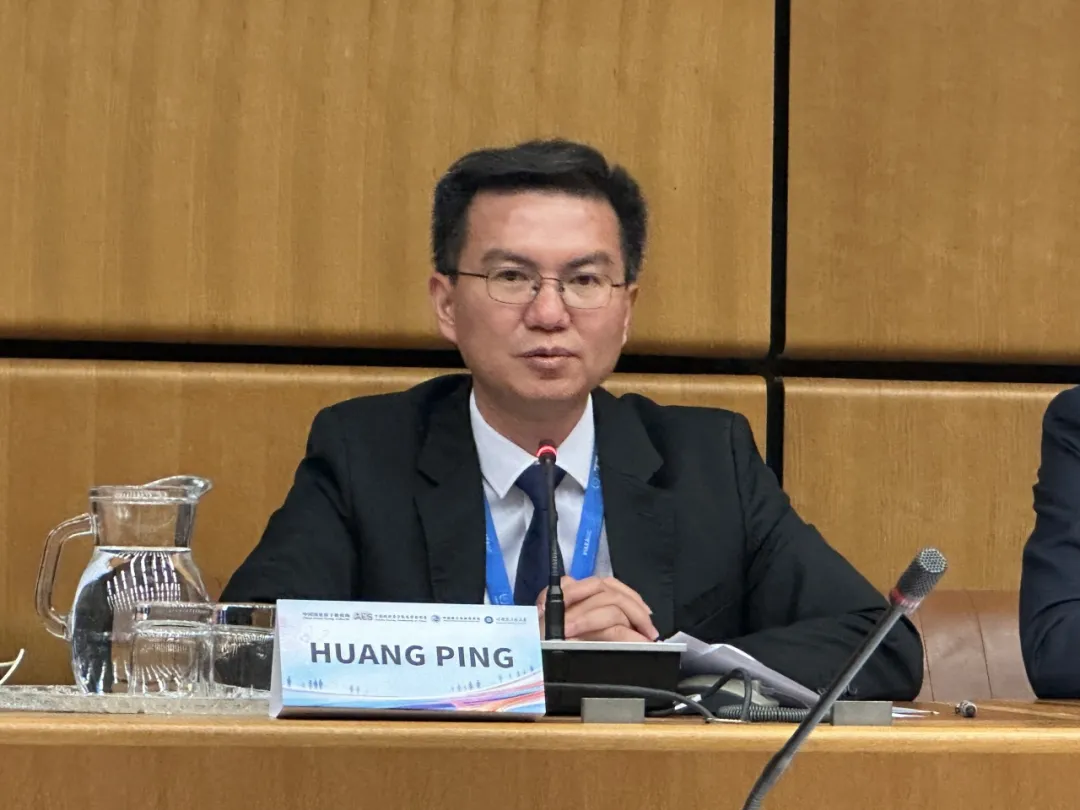
HUANG Ping remarked that the Atomic Energy Scholarship of China Programme has long been committed to cultivating international nuclear‑energy talent. Leveraging high‑quality domestic science and education resources, it has built an integrated talent‑training system and continuously exported nuclear energy capacity building for countries across the Global South. Moving forward, the programme will keep optimizing its training models and enriching cooperation contents to support countries in expanding and upgrading their nuclear‑energy talent pools.
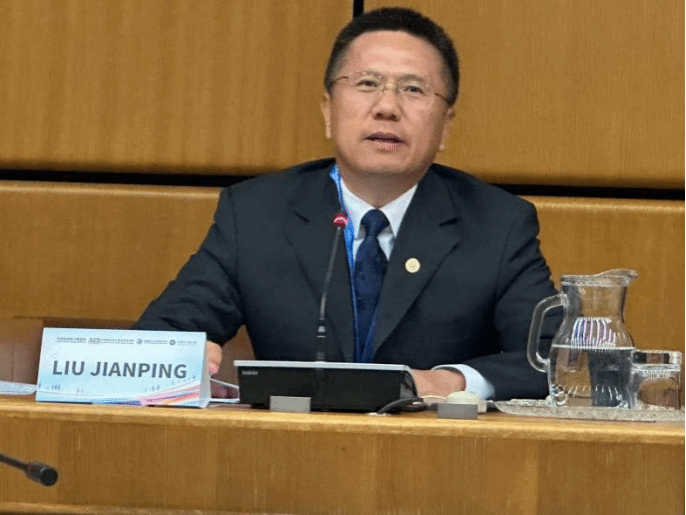
LIU Jianping pointed out that the Atomic Energy Scholarship of China Programme serves as China’s global public platform for talent development. It prioritizes training high‑caliber, specialized and international‑minded nuclear-energy professionals to serve global nuclear‑energy governance and the peaceful use of nuclear energy. Upholding the vision of open cooperation, the Society will further open up pathways for students to progress from theoretical learning to engineering practice and from campus training to career development in the industry.
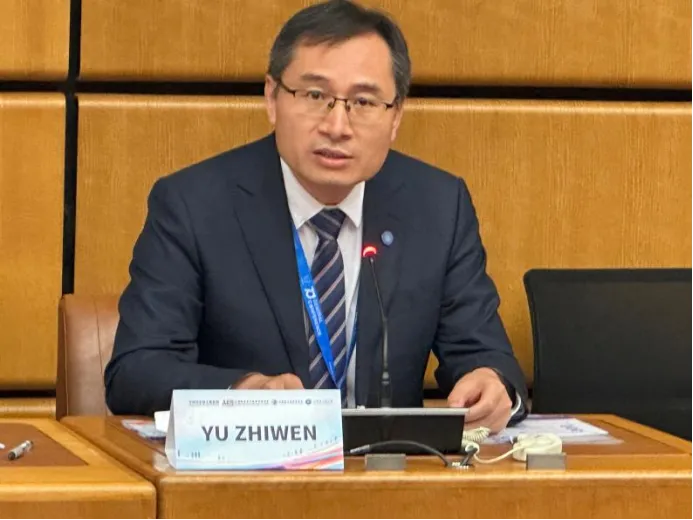
YU Zhiwen briefed participants on the development of nuclear related disciplines and international talent training at Harbin Engineering University. He noted that in 2026, the university became China’s first higher education institution accredited by the IAEA International Nuclear Management Academy (INMA). HEU will continue to give play to its strengths in nuclear related disciplines, improve its international talent training system, and deliver more professional talent for the peaceful use of global nuclear energy.
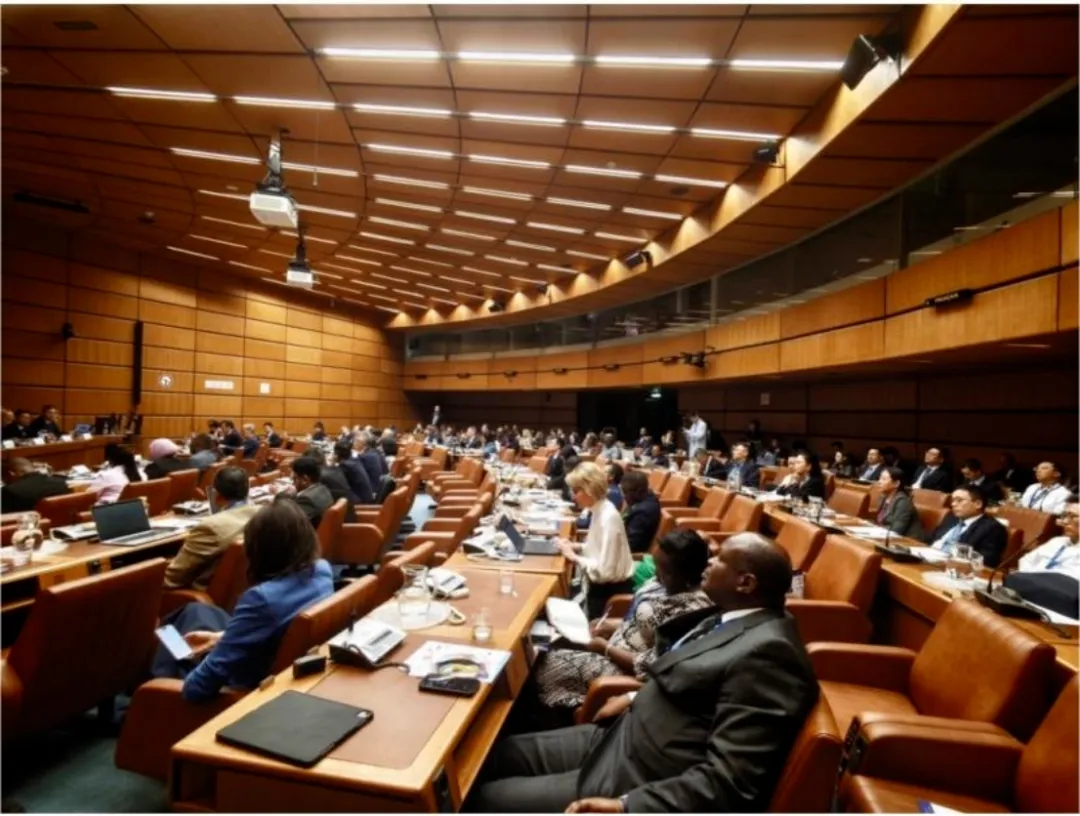
Multiple thematic discussion sessions were arranged at this thematic side-event.
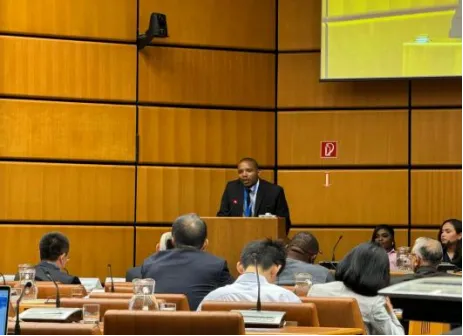
During the session dedicated to sharing experiences of the Atomic Energy Scholarship of China Programme, several alumni and current participants recounted their study experiences at the university as well as internships and work at the IAEA, and talked about the growth and benefits brought to them by the programme.
At the session for cooperation sharing between the IAEA and the Atomic Energy Scholarship of China Programme, four student representatives moderated interviews. HUANG Wei, Director of the Division of Programme, Information and Knowledge Management in the IAEA Department of Nuclear Energy, and ZHANG Jing, Director of the Europe Division in the IAEA Department of Technical Cooperation, responded on‑site to questions raised by students.
In the special interview session on nuclear‑power talent demand, XIE Xiaoqin, representative of China National Nuclear Corporation, ZHOU Junying, representative of State Power Investment Corporation Limited, and MAO Qing, representative of China General Nuclear Power Group, gave answers to a range of questions respectively.
In the exchange session involving overseas nuclear‑energy agencies and participating universities, Shahid Rashid, Executive Member of the Pakistan Nuclear Regulatory Authority, Anthony I.G. Ekedegwa, Chairman and Chief Executive Officer of the Nigerian Atomic Energy Commission, together with GAO Puzhen and ZHANG Tian from Harbin Engineering University, shared the implementation outcomes of the Atomic Energy Scholarship of China Programme, practices in talent training, and prospects for international collaborative education.
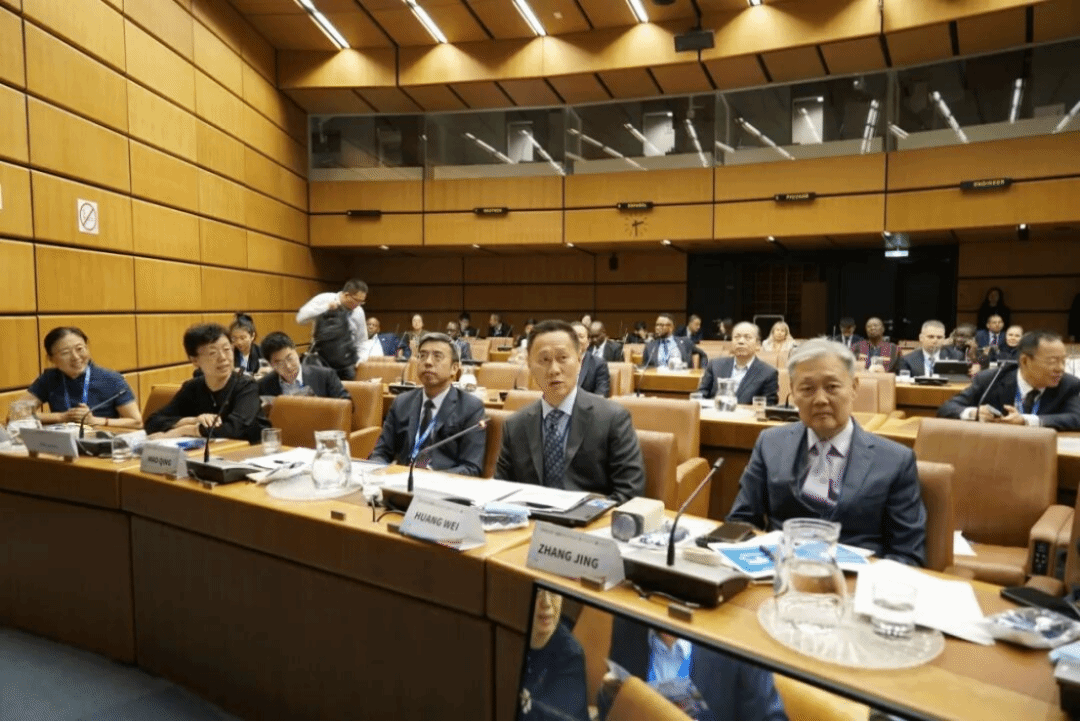
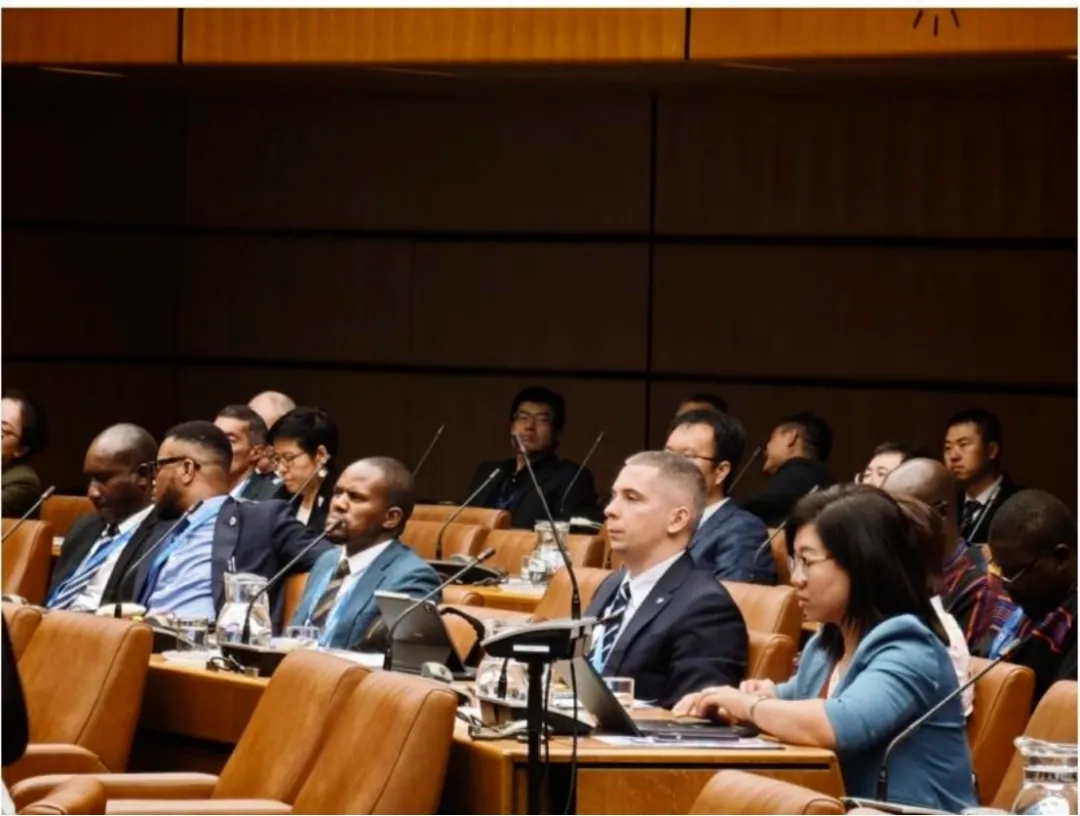
Relying on the multilateral platform of the IAEA, this thematic side-event showcased China’s outcomes in international education cooperation on nuclear energy, demonstrated Harbin Engineering University’s progress in international nuclear energy talent cultivation, helped raise the international profile of the Atomic Energy Scholarship of China Programme, fostered consensus on joint global training of nuclear‑energy talent, and laid a solid foundation for deeper Sino‑foreign exchanges and cooperation in nuclear‑related science, education and industries.
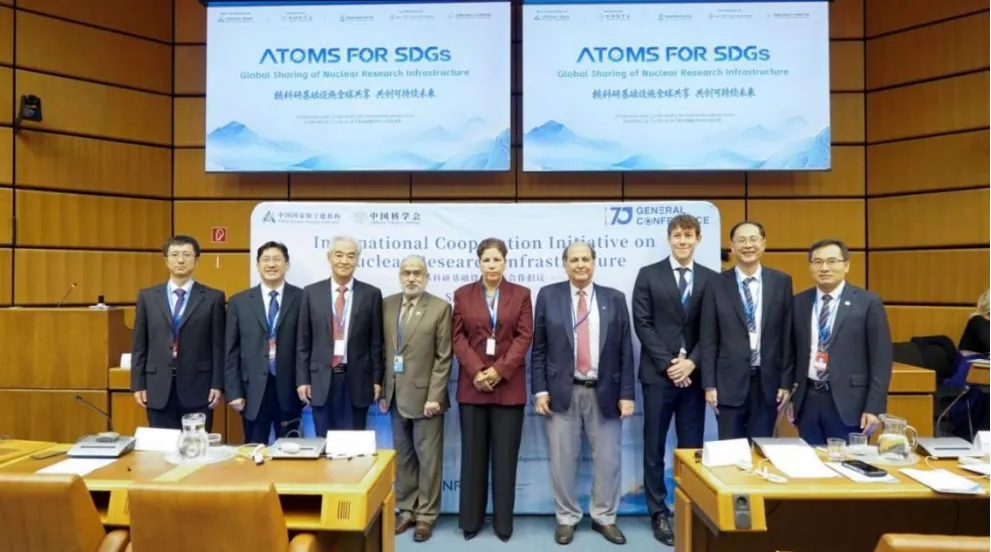
During the General Conference, the delegation led by YU Zhiwen also attended another thematic side‑event hosted by the China Atomic Energy Authority. At the event, Harbin Engineering University joined the International Nuclear Research Infrastructure Alliance (INRIO) by contributing resources from its National Virtual Simulation Experimental Teaching Center for Nuclear Science and Technology. YU Zhiwen signed the founding document of the Alliance on behalf of the university. GAO Puzhen presented the construction achievements, educational features and resource‑sharing strengths of the university’s National Virtual Simulation Experimental Teaching Center for Nuclear Science and Technology.
YU Zhiwen and his delegation met with officials from the Chinese Mission to the United Nations and Other International Organizations in Vienna as well as relevant IAEA officials, and held exchanges with local alumni.
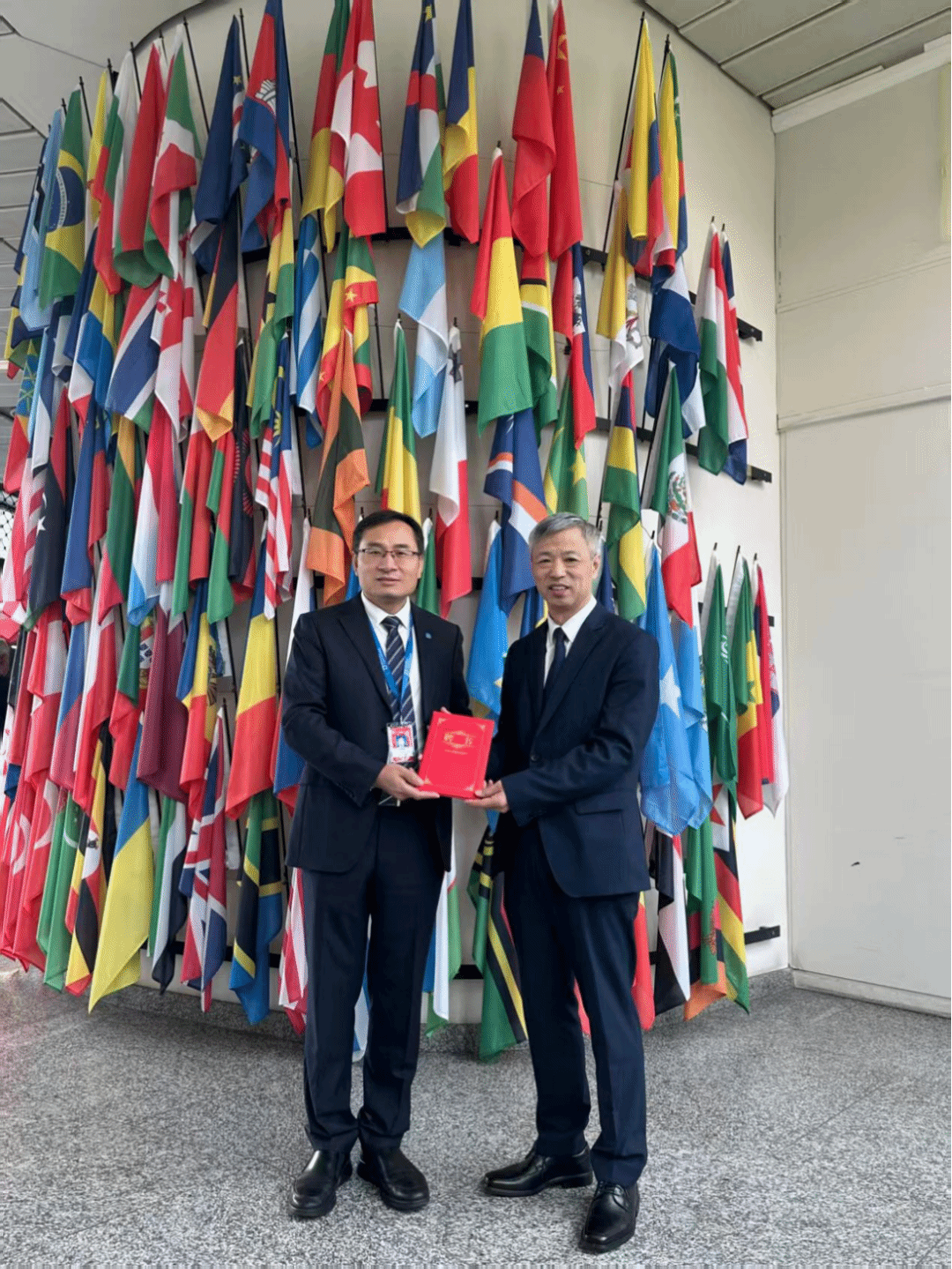
YU Zhiwen presented the letter of appointment for Part-time Professor of HEU to SHEN Lixin from the Europe Division of the IAEA Department of Technical Cooperation.
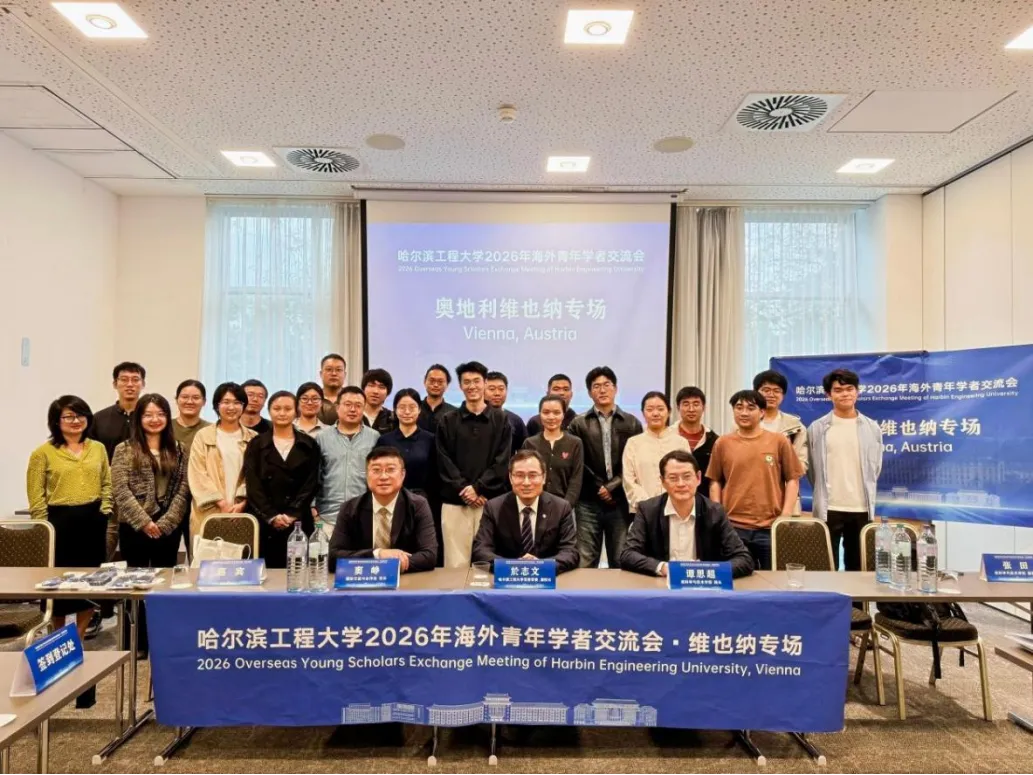
HEU concurrently held the 2026 Overseas Young Scholars Exchange Meeting (Vienna Session). It briefed overseas talent on the university’s talent policies on‑site and responded to inquiries.
Jointly launched in 2017 by the China Atomic Energy Authority and the Ministry of Education of the People’s Republic of China, the second phase of the Atomic Energy Scholarship of China Programme is implemented collaboratively by 13 universities nationwide, offering 100 master’s and doctoral scholarship slots each year.