A research paper by the Optoelectronic Information Intelligent Processing Technology Team from HEU’s College of Information and Communication Engineering / College of Integrated Circuits has been recognized as an ESI Highly Cited Paper, ranking in the top 1% of citations in engineering academic publications. The paper, titled “A Novel Piezoelectric Hydrophone ASIC With Low Input Noise Floor,” was published in IEEE Transactions on Instrumentation and Measurement (TIM). The first author is doctoral student LIU Jinpeng, the corresponding author is Associate Professor LIU Yuntao, and Harbin Engineering University is the primary affiliation.
The study focuses on a low-noise piezoelectric hydrophone application-specific integrated circuit (ASIC) designed for underwater low-frequency environments. This chip provides core support for weak acoustic signal detection in deep seas, marine resource exploration, and underwater target monitoring, with key performance metrics reaching internationally advanced levels.
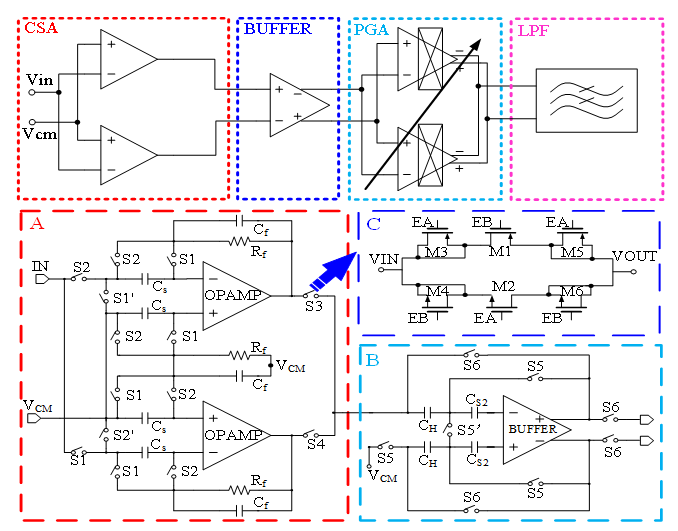
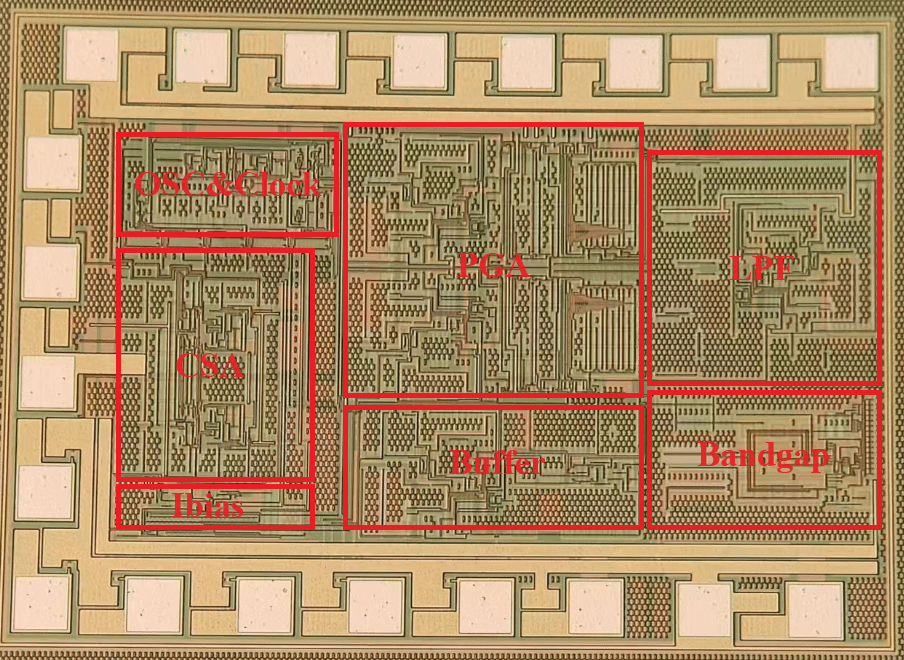
IEEE TIM is a globally recognized top-tier journal in the field of instrumentation and measurement. It highlights original breakthroughs in sensors, precision measurement, signal acquisition, and instrumentation systems, with research findings widely applied in marine engineering, industrial inspection, aerospace, and environmental monitoring. This study achieves a deep integration of low-noise circuitry with a hydrophone-dedicated ASIC. For the first time, it demonstrates a synergistic breakthrough in sub-microvolt noise levels, ultra-low-frequency operation, and high-load driving capability for a piezoelectric hydrophone readout chip. This provides a domestically developed core chip solution for next-generation MEMS piezoelectric hydrophones, vector hydrophones, and shore-based, shipborne, or submersible marine monitoring systems. Ultimately, it supports the upgrade of China’s marine equipment toward higher precision, lower power consumption, miniaturization, and autonomous control.