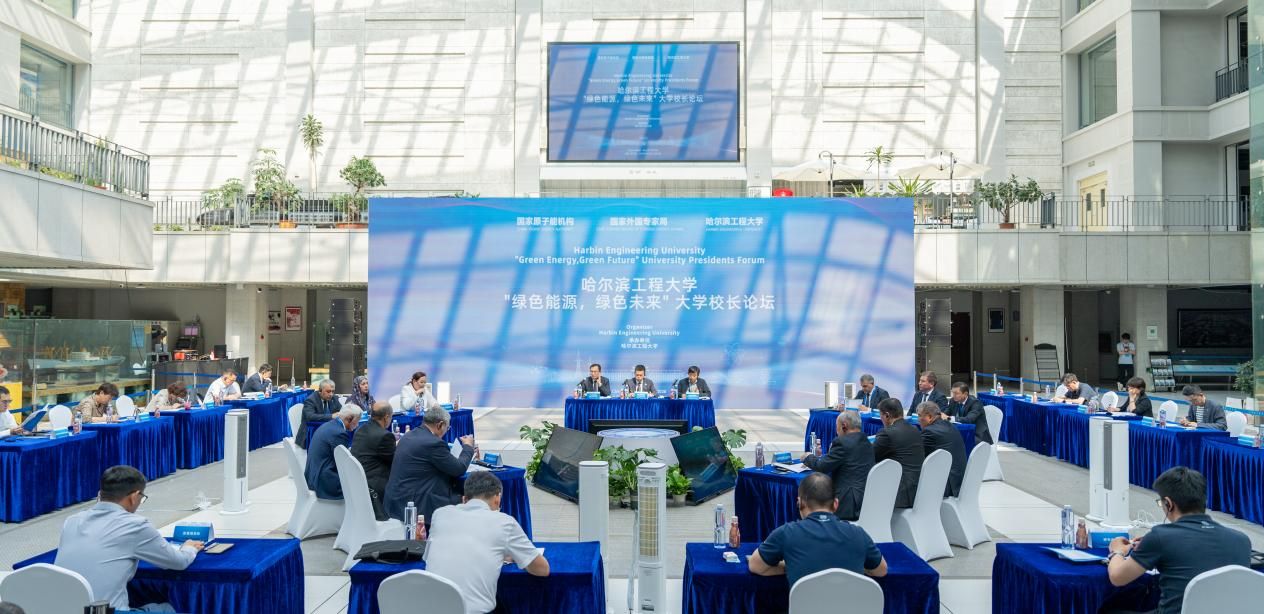
On May 21, the “Green Energy, Green Future” Sino-Foreign University Rector’s Forum was held at the Qihang Activity Center of Harbin Engineering University (HEU).
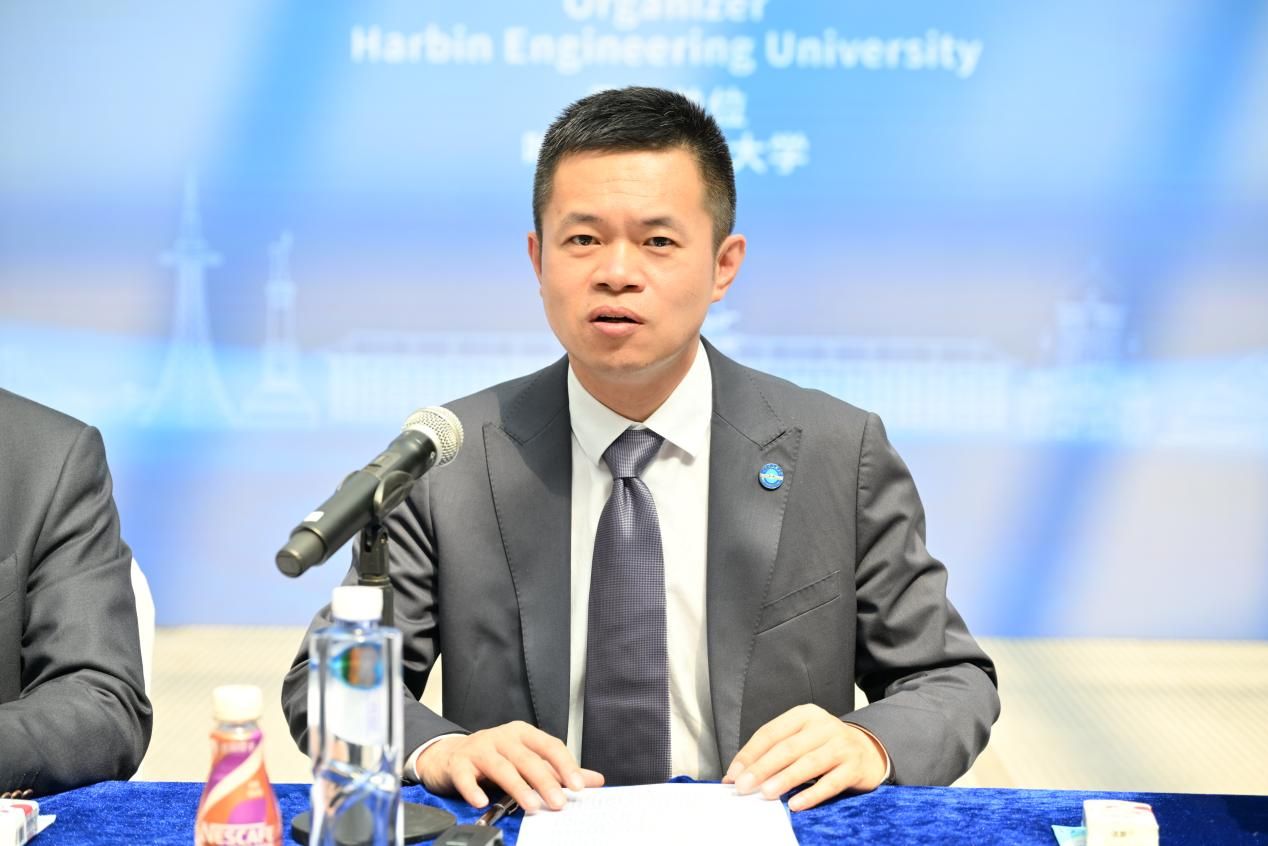
President YIN Jingwei attended the forum and delivered a speech. He noted that the global energy landscape is undergoing profound changes, with nuclear energy entering a new phase of development opportunities. As an open, internationally engaged institution and a key hub for nuclear talent development in China, HEU has provided strong support for the country’s nuclear energy advancement. He put forward three proposals: first, pursue innovation-driven development to strengthen the core foundation of nuclear education; second, advance digital empowerment to shape a new AI-powered nuclear education ecosystem; and third, foster openness and inclusiveness to build a global platform for nuclear education cooperation. He expressed the hope that Chinese and international universities would take this forum as an opportunity to jointly build a green, safe, and sustainable energy future.
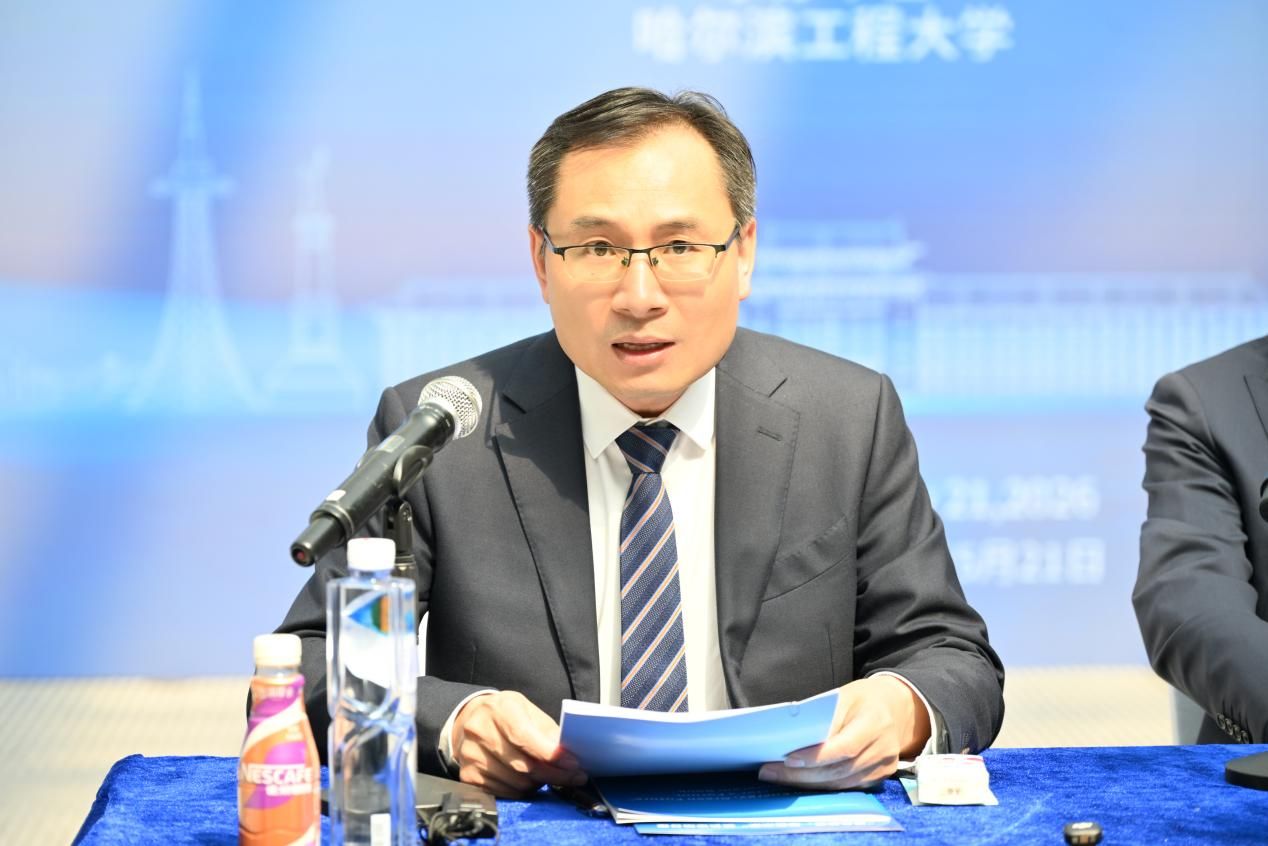
YU Zhiwen, Vice President of HEU, presided over the forum.
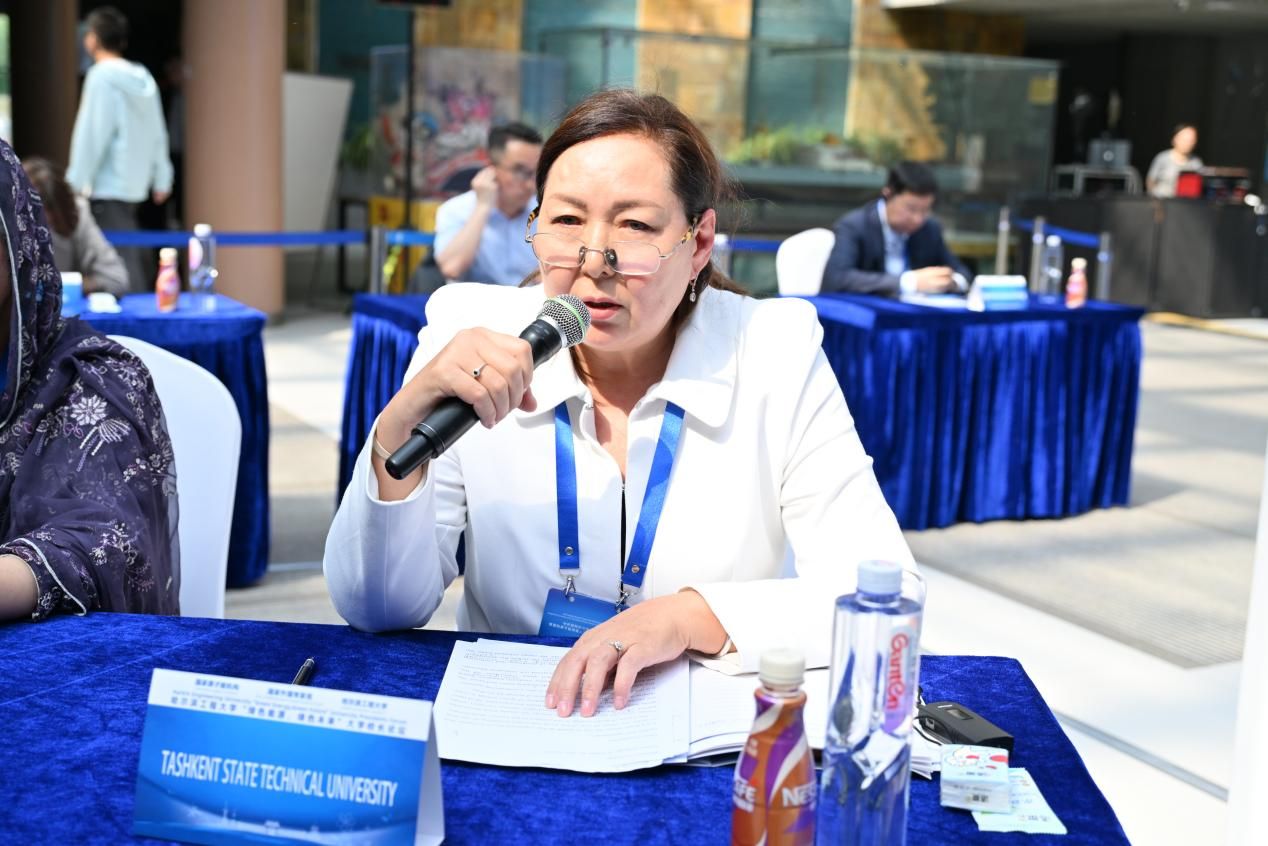
Vice Rector Beissen Nurzada of Al-Farabi Kazakh National University highlighted the critical role of nuclear energy, digitalization, quantum technology, and space energy in driving the green transition. She called for stronger international collaboration among universities to explore future-oriented energy solutions.
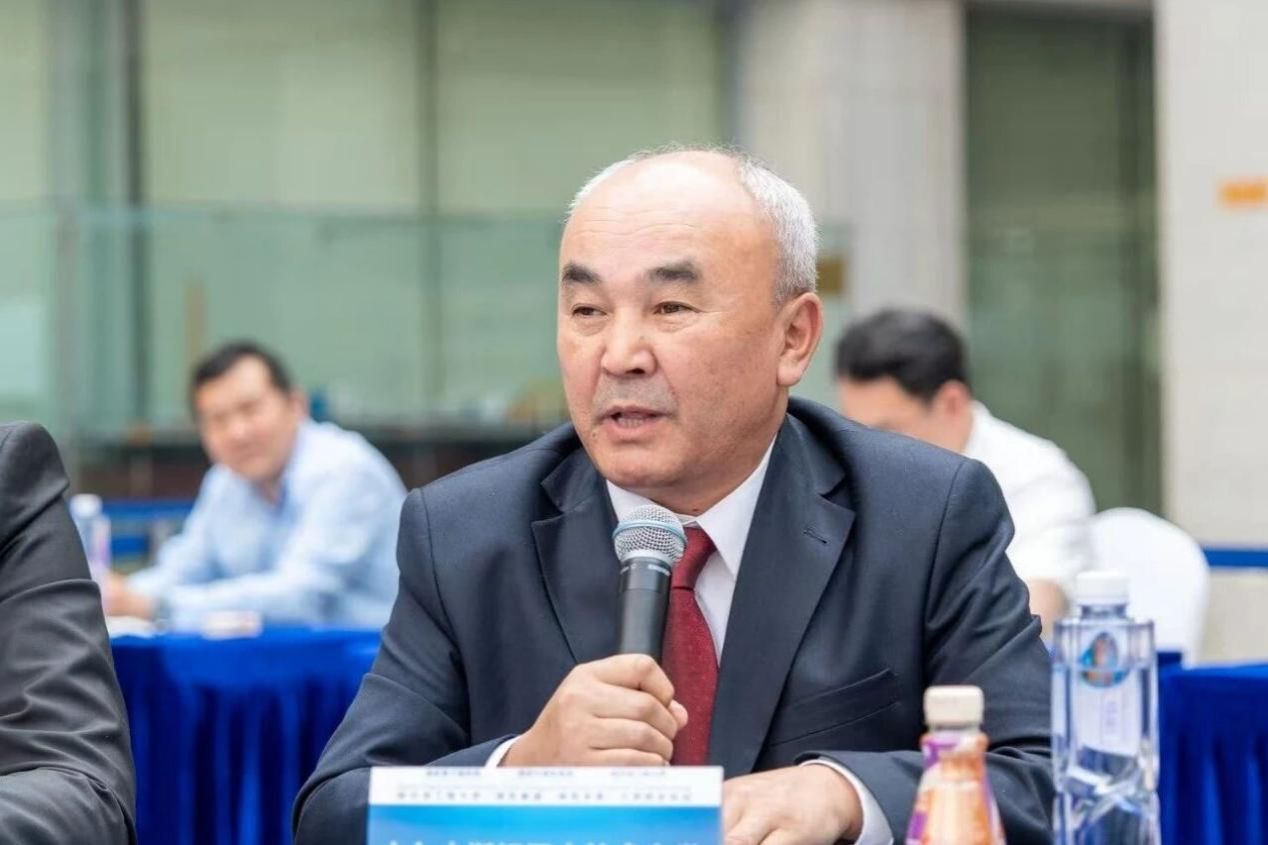
Vice Rector Chymyrov Akylbek of Kyrgyz State Technical University shared his institution’s active efforts in sustainable energy development and international cooperation, drawing on his country’s resource endowments. He expressed keen interest in deepening collaboration with Chinese partners in green energy and nuclear engineering to build a sustainable green future.
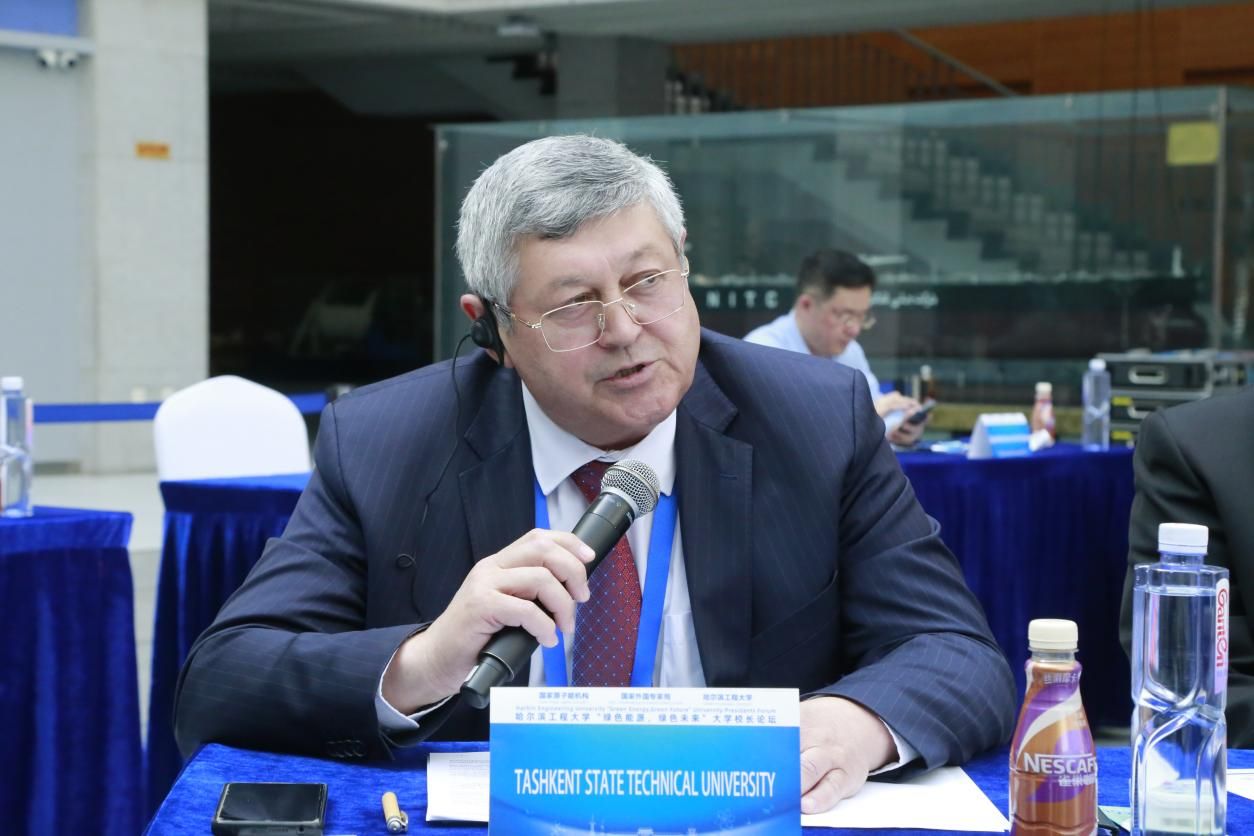
Rector Tulabjanov Sadritdin of Tashkent State Technical University in Uzbekistan presented the university’s disciplinary strengths in energy, automation, and digitalization, as well as its practices in training nuclear engineering professionals. He expressed hope for pragmatic cooperation with HEU and other Chinese universities in collaborative research, academic exchanges between faculty and students, and joint master’s and doctoral programs.
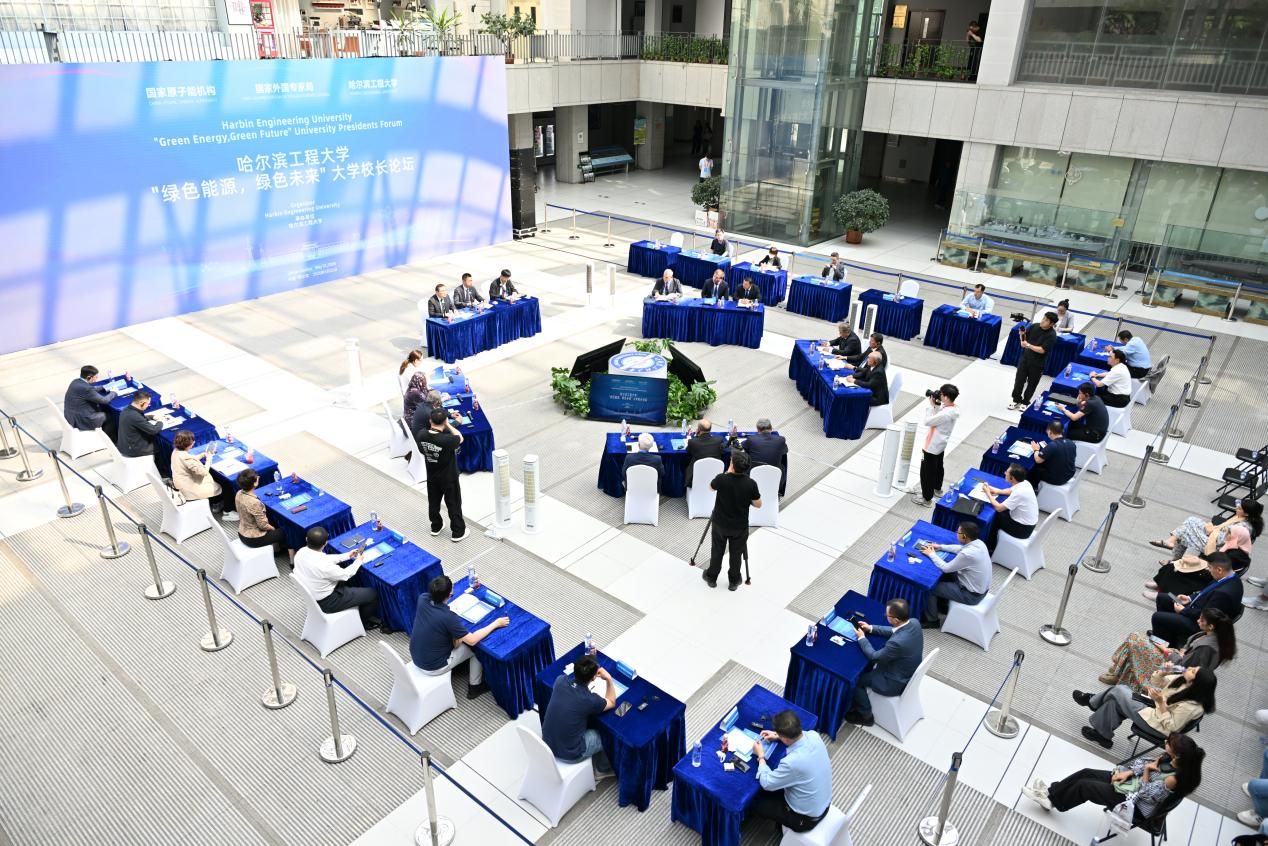
During the exchange session, university representatives shared forward-looking insights and practical experiences on green energy, nuclear development, and international academic cooperation.
The participating parties agreed on the need to establish regular dialogue mechanisms, promote resource sharing and complementary strengths, and achieve more tangible outcomes in joint research, faculty and student exchanges, and academic collaboration—together contributing to a clean, low-carbon, and sustainable green future.