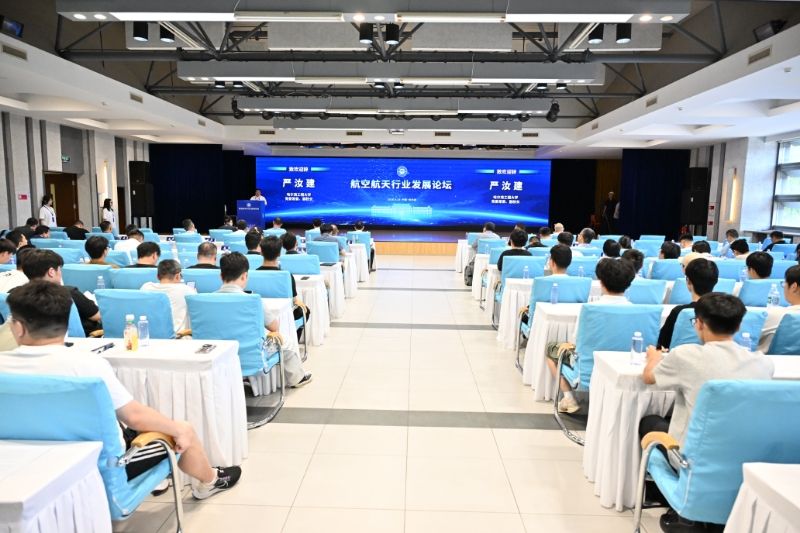
Harbin Engineering University (HEU) staged its Aerospace Industry Development Forum on 28 June in the Multi-Function Hall of the Qihang Activity Centre. YAN Rujian, Vice-President of HEU, attended the Forum.
YAN Rujian noted that aerospace remains a priority domain for scientific and technological innovation, and that HEU has long dedicated itself to advancing the field in support of national development. Against a backdrop of rapid, ongoing transformation across the global aerospace industry, there is growing demand for collaborative innovation and cross-sector partnership. The forum, he added, provides a high-level platform for delegates to share research findings, exchange ideas and address shared industry challenges, with the aim of driving high-quality growth for China’s aerospace sector.
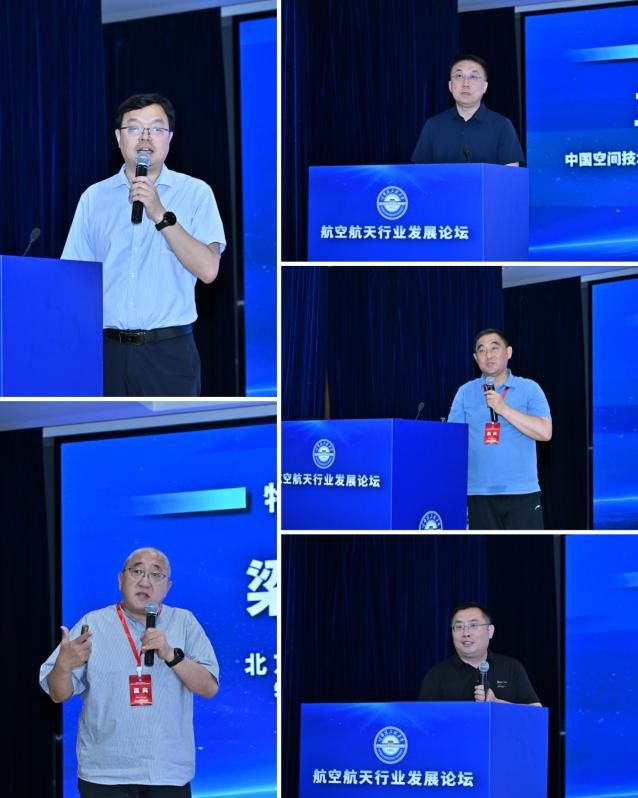
The keynote session featured five expert speakers delivering specialist presentations on frontier technologies and industry trends. They were: YANG Feng, Deputy General Manager of AVIC Xi’an Aircraft Industry Group Co., Ltd.; WANG Dayi, Director of the Science and Technology Committee at the Space Vehicle System Engineering Department of the China Academy of Space Technology; LIANG Jun, Distinguished Professor at Beijing Institute of Technology; QIU Zhenge, Chief Scientist at Ruiqi Deep Space Technology (Suzhou) Co., Ltd.; and XU Xing, Deputy Director of the Science and Technology Committee at the China Aerospace Science and Industry Academy of Power Technology.
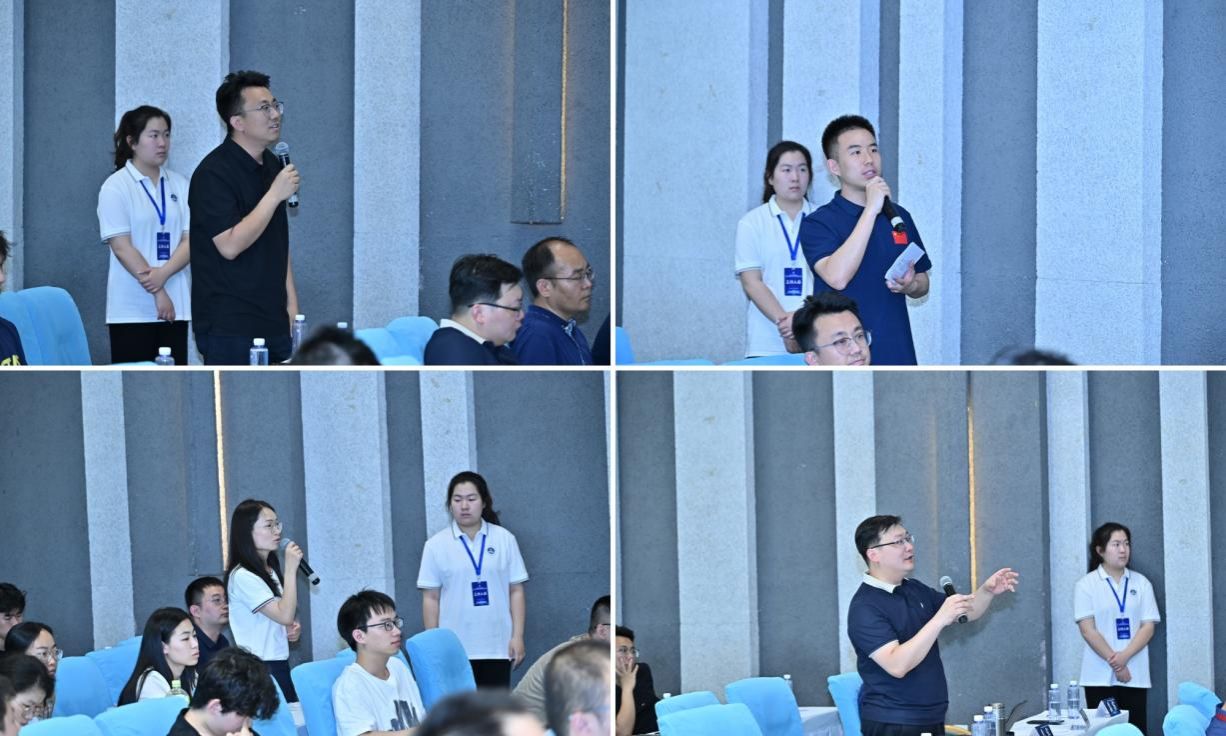
The interactive Q&A segment saw lively engagement from attending staff and students, who posed questions on a range of topics covered in the presentations, with each speaker providing detailed, thoughtful responses.
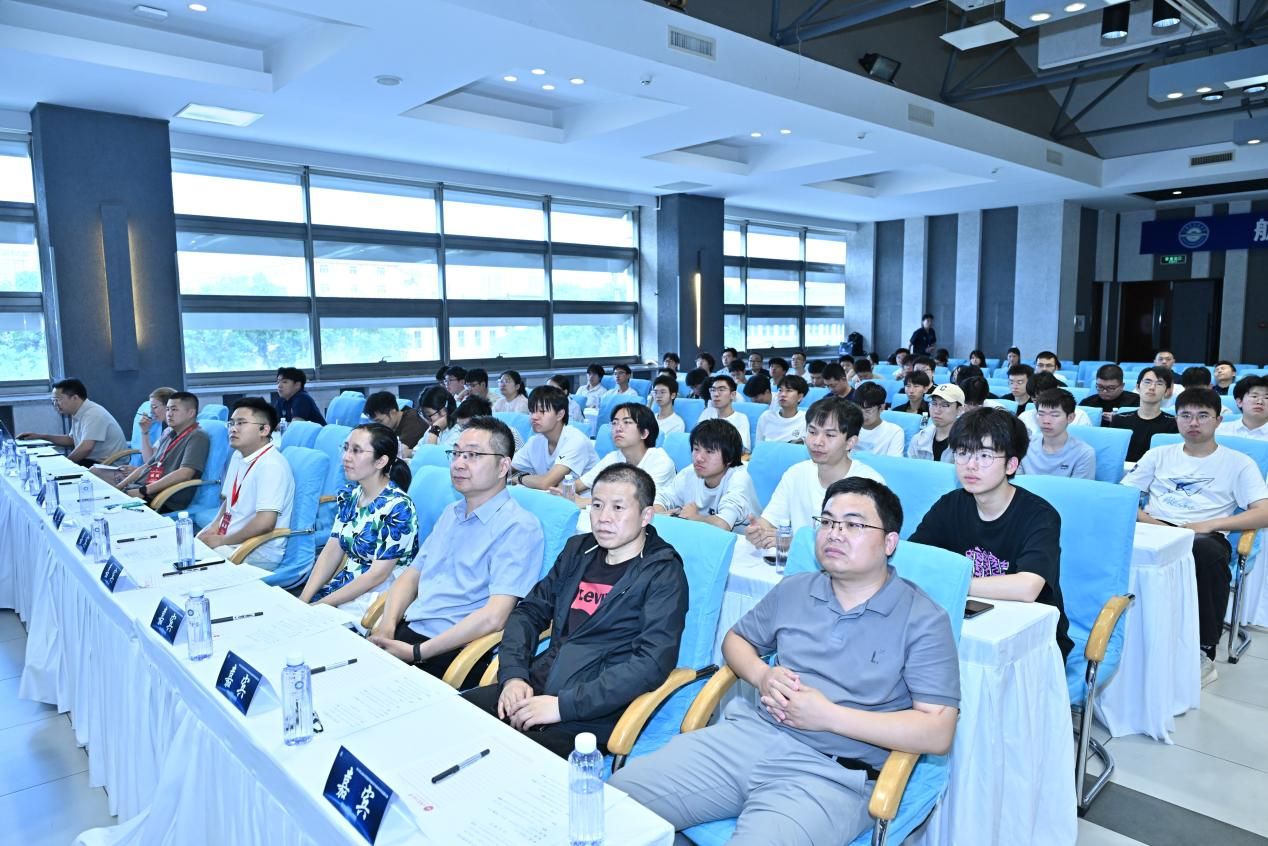
As a core event of HEU’s Aerospace Science and Technology Discipline Development Conference, the forum has established a valuable platform for exchange and cooperation in the aerospace field. It is set to strengthen the development of HEU’s Aerospace Science and Technology discipline, deepen industry-university-research-application collaborative innovation, and support the university’s contribution to national aerospace development.